I have noticed something strange recently with my mindfulness practice. Out of nowhere, I started doing more walking meditation. To my complete surprise, I actually like it. This is quite a shock because I have historically not enjoyed this practice at at all. I usually only tried it on retreat.
Many other mediators share my aversion to walking meditation. It is a practice that feels strange to do. In addition, the usefulness of it may seem unclear. Even so, mindful movement remains an essential tool in the self-care toolkit.
This post explains why and how I came around to the practice and how you can explore it for yourself.
What Is Walking Meditation?
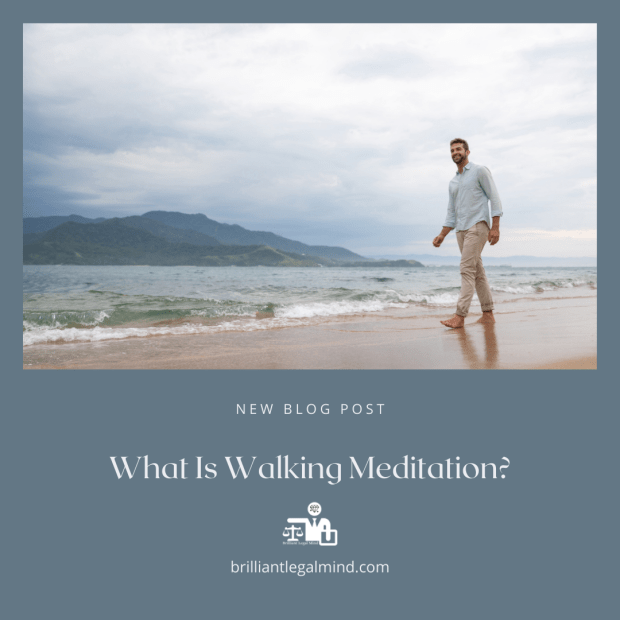
As I have explained before, walking meditation is not just taking a walk. Instead, it is a practice intended to cultivate mindfulness as you move. With this practice, you are encouraged to pay close attention to the act of walking.
Practice instructions usually include selecting a safe space of about 10 to 20 feet to pace slowly back and forth. As you take each step, your attention should be with the sensations in your body, often specifically in your feet.
The movement of your body is the focal point for this style of meditation. In this way, as you take a step with your left foot, you are encouraged to feel and notice that. Similarly, as your weight shifts and you take a step with you right foot, your attention follows along.
As always, if your mind wanders the practice is simply to notice it and return to your steps.
Why Walking Meditation Can Be a Challenge
Though the practice is simple, many people new to meditation find it challenging. One reason is that it feels awkward. Lawyers tend to take ourselves seriously, so this is hard for us. In addition, as a practical matter, you may feel wobbly walking very slowly. If you try the practice in a group, doing it it in front other people may make you feel self-conscious.
Another challenge is that your mind may wander even more with movement. Focusing on the breath is hard, but we often do that with eyes closed and minimal distractions. When you walk, safety generally requires you to open your eyes and be aware of your surroundings. Since there are more distractions, focus may be more difficult with walking meditation.
Finally, I have also struggled at times to find motivation with this practice. With sitting meditation, my intention was apparent but I sometimes regarded walking meditation as a second best practice. I did the practice just to move because it could not sit all day. In this way, it can be hard to truly engage with in the process of cultivating mindfulness through walking.

How Lawyers Can Use Walking Meditation Outside of Retreat
Despite all my misgivings, I have come around to walking meditation. Sure, many experiences with retreat have helped the practice feel more natural to me. Even outside of retreats, though, I keep finding reasons where I need to walk and meditate instead of just sit. As you can see, these situatiosn are common ones that other lawyers are likely to experience.
Here are several examples:
- If I fall asleep during sitting practice, I now usually stand up and walk for the rest of the session;
- Back and shoulder pain made sitting practice feel intimidating, but I could manage mindful walking;
- I was nervous and jittery before a presentation and did some walking meditation to calm myself down;
- It was a beautiful night outside, so I decided to meditate by walking in my driveway;
- I had to wait somewhere for my kids and did walking meditation to keep myself calm and occupied;
- I could not muster the motivation to do my normal sitting practice, so I tried walking meditation to bring in some variety.
Tips for Lawyers Trying Out this Mindfulness Practice
If after reading this list, you want to add more movement to your mindfulness practice, here are some tips for getting started.
First, start with small doses. Though lawyers tends to be very disciplined, don’t force yourself to do lengthy periods at first. Don’t assume that you can or should do walking meditation for the same duration as your sitting practice. Instead, notice how your mind and body feel as you practice. Then select a practice period that works for you. This will help you learn the practice without developing a strong aversion to it.
Next, let the practice support you. Mindfulness shouldn’t be an extra chore or item on your to-do list. Lawyers are already busy enough. Instead, it can and should be a practice that supports your life. As the examples above illustrate, look for ways that walking meditation can help you deal with life. That will provide intrinsic practice motivation and may give you a chance to learn about the practice and yourself.
Finally, as I always say, play with it and have fun if you can. Meditation is an important practice but that doesn’t mean it has to be serious business. You are encouraged to smile and relax. You are allowed to laugh at yourself if you wobble. A playful mind is an open mind, so keep things light if you can.

This Practice Is an Important Tool in Your Mindfulness Toolkit
For many lawyers and professionals, myself included, walking meditation is an acquired taste. It may take several attempts or several years until we feel like we can do the practice well. Even so, variety and options are essential for any lasting mindfulness practice. Walking meditation is a great way for lawyers to cultivate mindfulness in times when they can’t sit or don’t want to simply sit. It’s a practice that can take time to learn. Once you do, though, you may learn to love it.
Want to learn more about mindfulness and compassion? Check out my new book, A New Year’s Present, to learn about mindfulness from a heartwarming story. For a simple guide to creating a meditation practice of your own in 30 days, try How to Be a Badass Lawyer. And to share mindfulness with your little one, check out my new children’s book, Mommy Needs a Minute.
Like this post? Subscribe to the blog here or follow us on social media: